

Test facilities
More Details
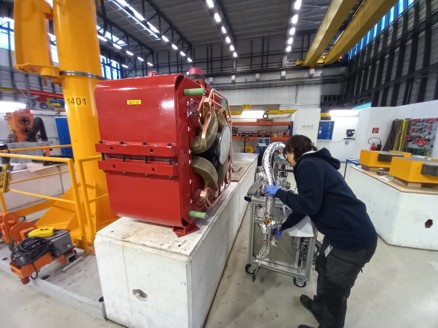
- The SM18 facility (Prévessin site, France, B2173): a key centre for testing the superconducting magnets of the LHC and future accelerator projects.
- The S-FRS magnet test facility in Building 180 at CERN is a specialized, high-capacity station built to test the superconducting magnets intended for the FAIR (Facility for Anti-proton and Ion Research) Super-FRS experiment in Germany
- Building 163 is a vital facility specialized in the cryogenic testing of superconducting cables and magnets, housing the FRESCA (Facility for Reception of Superconducting Cables) test stations.
- Building 165 (Cryolab): Laboratory specialized in cryogenic technologies, essential for superconducting magnets.

Laboratories
More details
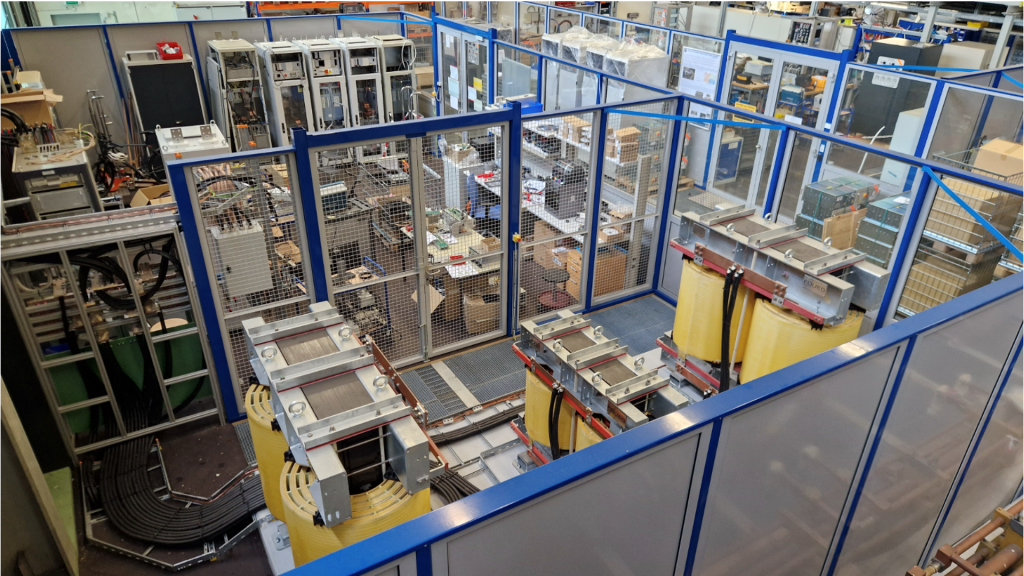
- Building 771 is the Polymers Laboratory focuses on composite materials, 3D modelling, and the prototyping of components for accelerators.
- Building 311 is dedicated to magnet R&D, magnetic measurements and cable testing.
- Building 107 is dedicated to surface treatment for vacuum applications and printed circuit board manufacturing workshops.
- Building 113 is dedicated to Ultra-high vacuum (UHV) component assembly and testing, including vacuum chamber preparation and qualification, vacuum leak detection and qualification, materials characterization R&D on vacuum technologies for the LHC, HL-LHC, and future accelerator project. Building 180 also integrates the HTS Laboratory (High-Temperature Superconductors) is dedicated to research on high-temperature superconducting magnets.
- Building 180 is also known as the home of the Large Magnet Facility (LMF), where LHC dipoles and other large superconducting magnet components are assembled and tested
- Building 867 is dedicated to the refurbishment, assembly, machining, certification, and handling of accelerator magnets, including radioactive magnet refurbishment activities.
- Building 927: Building dedicated to the fabrication, assembly, and development of superconducting magnets and superconducting technologies, including HTS cables, SC links, and prototype magnets for the HL-LHC

Workshops
More details
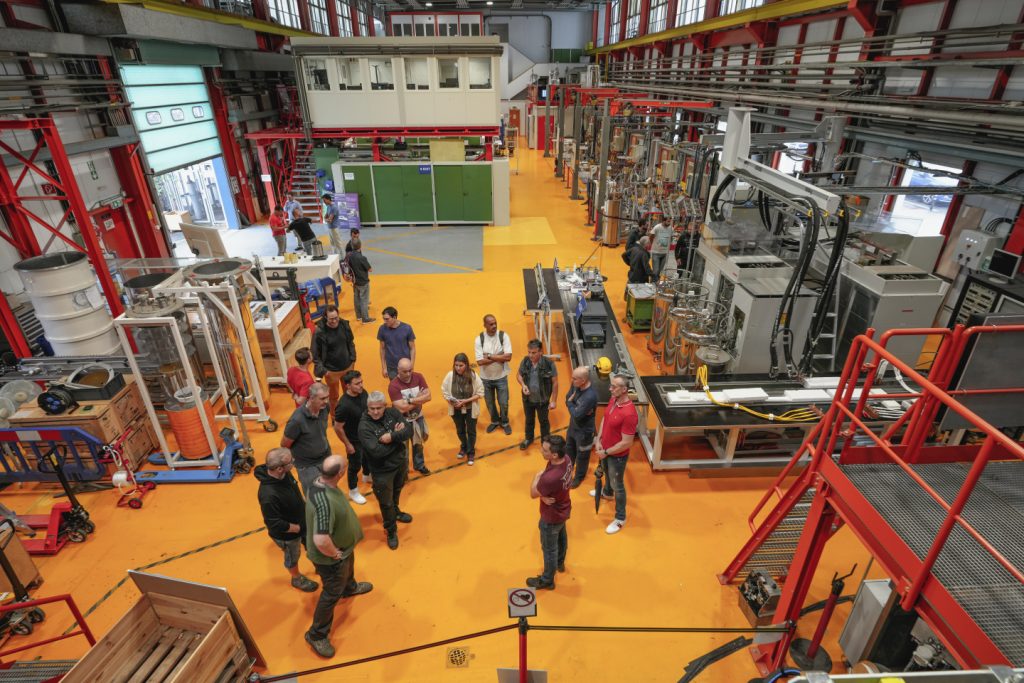
- Building 110 is dedicated to the assembly and integration of cryogenic equipment, including helium systems, cryogenic valves, and piping.
- Building 36 integrates instrumentation, maintenance, and related technical support activities.
- Building 181 is dedicated to the assembly, integration, testing, and handling of superconducting magnets and large accelerator components.

Surface coating services
More details
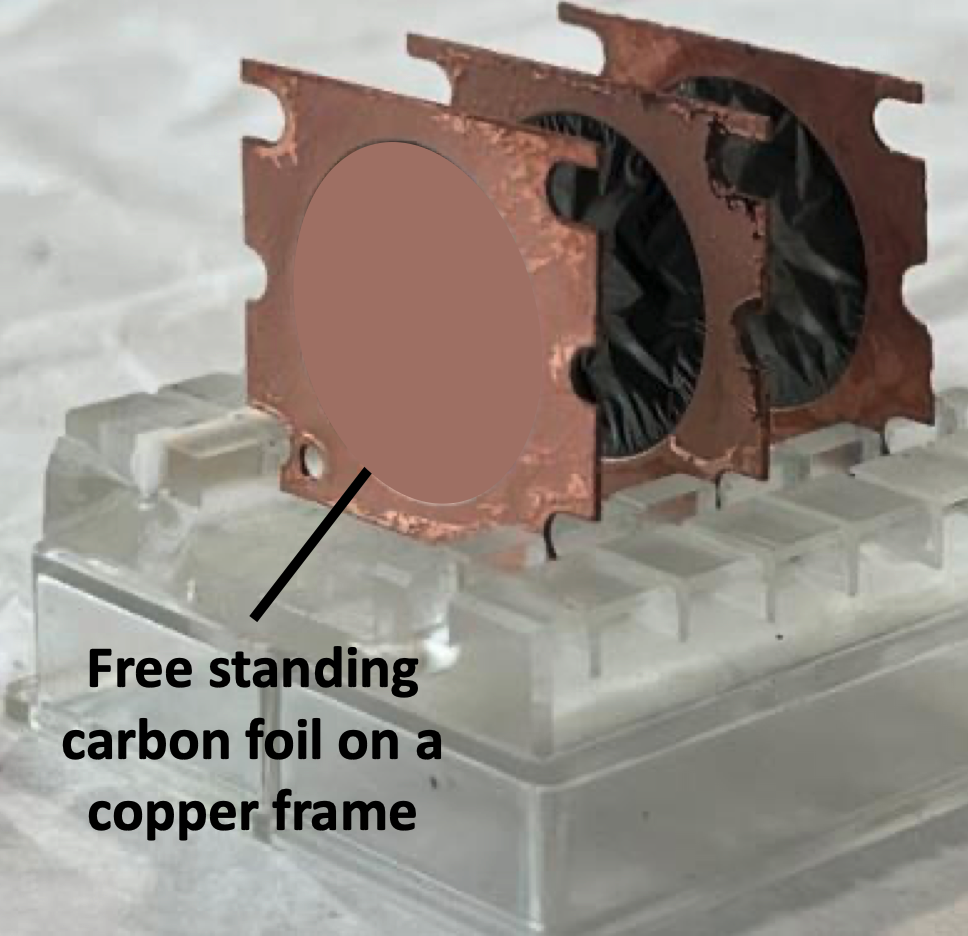
- NEG thin-film coatings (Non-Evaporable Getter coatings)
- Carbon (a-C) coatings for electron cloud mitigation
- Thin-film deposition by:
- – Physical Vapour Deposition (PVD)
- – Magnetron sputtering
- – Plasma processes
- Functional coatings for ultra-high vacuum (UHV) beam pipes and accelerator components
Cleaning and surface preparation
More details
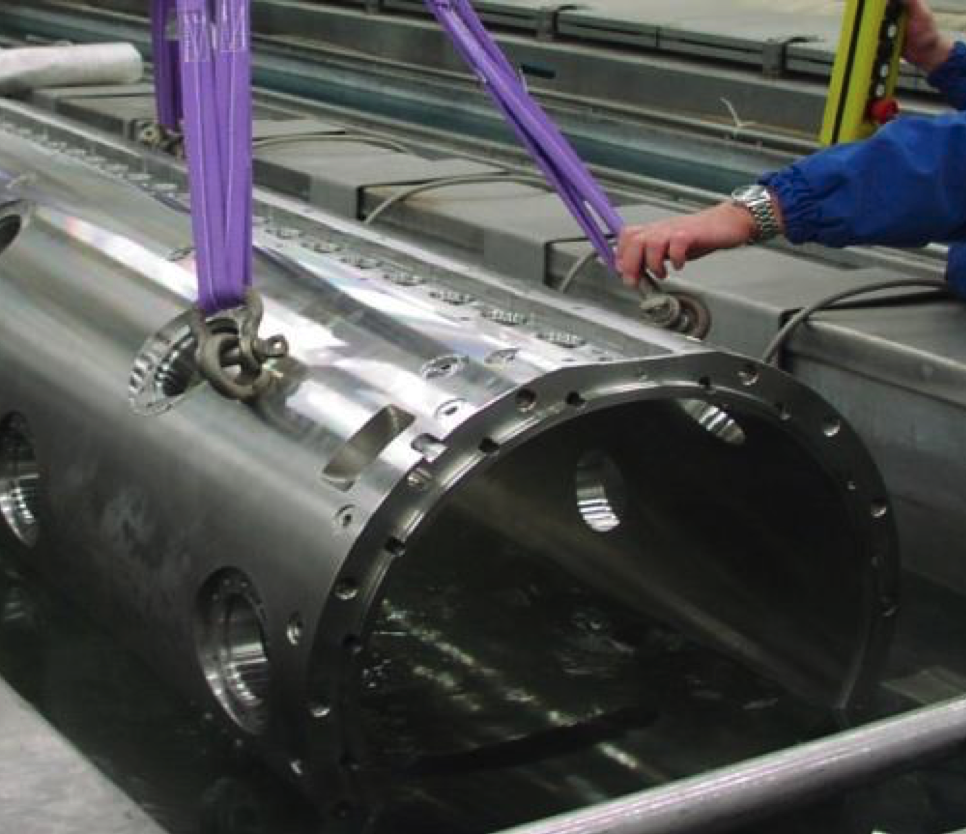
- Precision cleaning for UHV compatibility
- Chemical cleaning and degreasing
- Ultrasonic solvent cleaning
- Surface finishing and oxide removal
- Vacuum bake-out preparation
- Surface conditioning before coating deposition

Surface analysis and quality control
More details
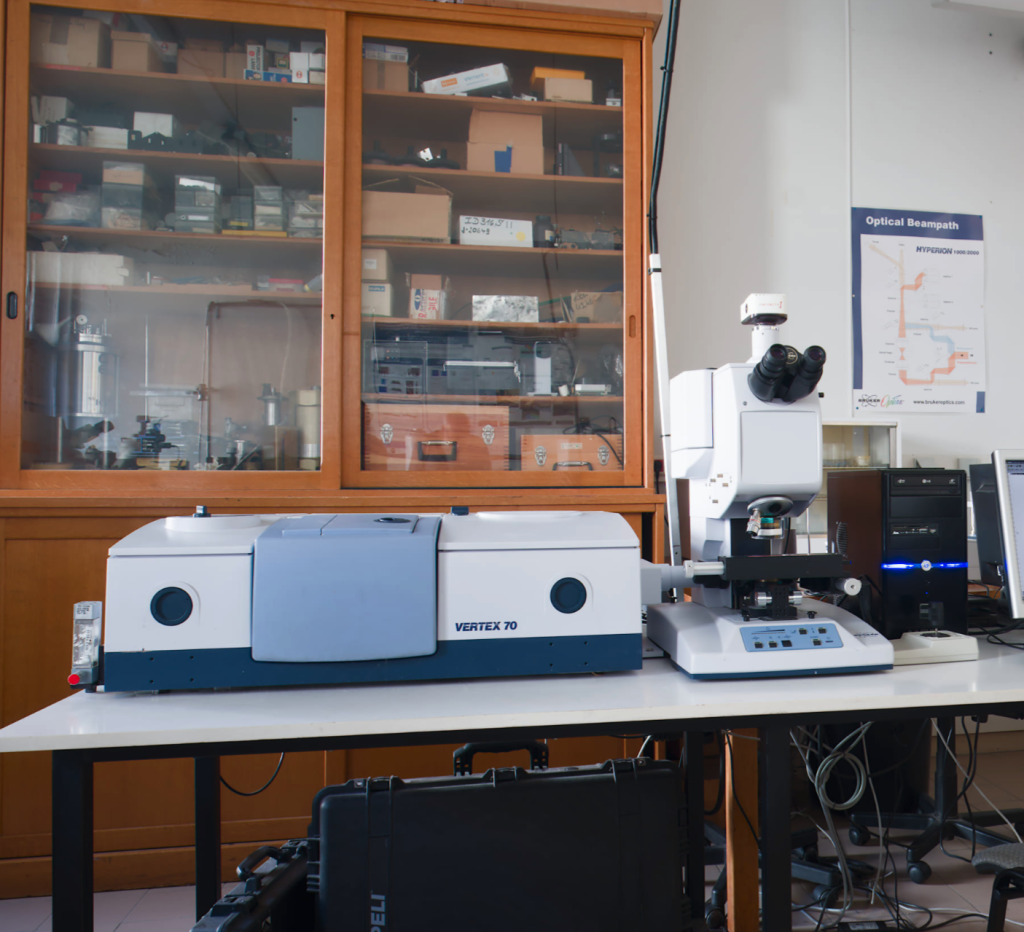
- XPS (X-ray Photoelectron Spectroscopy)
- Secondary Electron Yield (SEY) measurements
- Residual Gas Analysis (RGA)
- Electron microscopy and thin-film characterization
- Vacuum acceptance testing and leak detection

Industrial and CERN-wide support
More details
- CERN-wide support for vacuum component cleaning and coatings
- Qualification of accelerator vacuum components
- Coating process development and industrialisation
- Surface treatment procedures for HL-LHC and FCC projects

Engineering support
More details
- Installation and maintenance support
- Operational troubleshooting
- Prototype development and testing
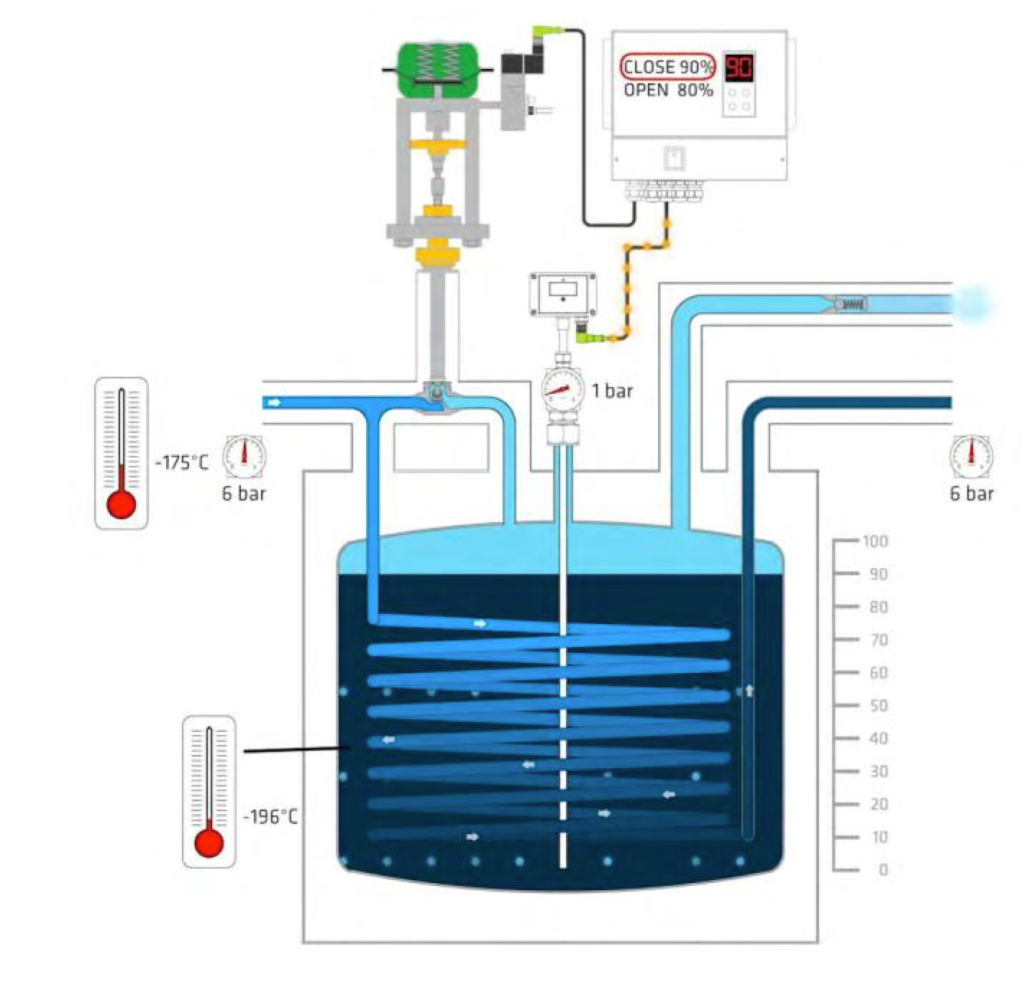
- Cryogenic and vacuum system support
- Magnet and power systems engineering
- Radiation-safe engineering solutions
- Systems commissioning and reliability work
MolFlow – Cryogenic and thermal-hydraulic simulation
More details
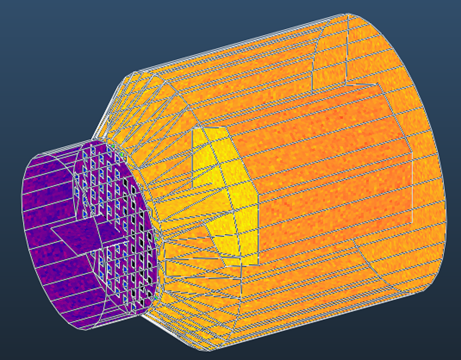
- Helium flow
- Pressure drop
- Cooling performance
- Heat transfer in superconducting systems
MolFlow is mainly used for:
- Large Hadron Collider
- HL-LHC upgrades
- Superconducting magnet systems
- Cryogenic infrastructure
- Machine protection studies
ANSYS – Cryogenic and thermal-hydraulic simulation
More details
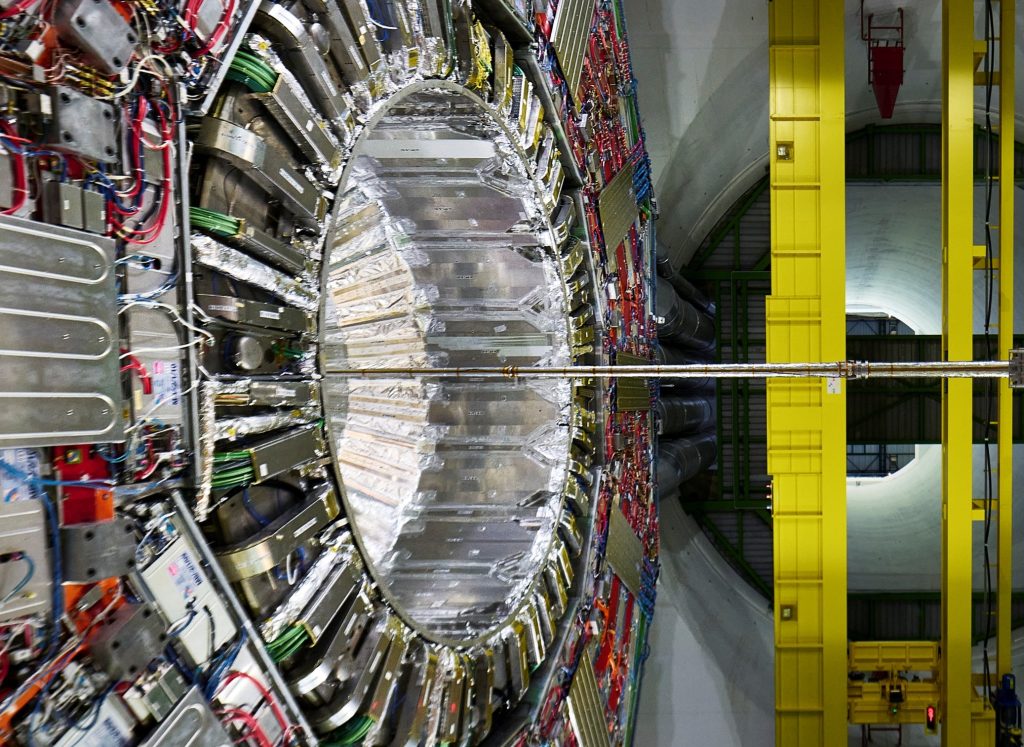
- Structural analysis
- Thermal/cryogenic simulations
- Electromagnetic force analysis
- CFD flow simulations
- Vibration and stress studies
Ansys is mainly used for:
- Large Hadron Collider
- HL-LHC upgrades
- Superconducting magnet systems
- Cryogenic infrastructure
- Machine protection studies